Replacing Cards and Finding Substitutions in Deck-building

What’s a good replacement for Askani’son? I don’t have Cosmic Ghost Rider, what can I put in my deck instead? They’re the questions content creators get most, especially from newer players. But how often do you just get told a card isn't replaceable or told to “figure it out on your own?” One of the most critical early deck-building skills is to be able to find replacements for a deck list you've seen in game or found online. We’re going to talk about how to figure it out quickly and efficiently! Try these simple tricks that the streamers don’t want you to know!
The Common, first level approach is to go and ask whoever made the deck or your favorite streamer. Today, we’re moving beyond that!
Get ready to upgrade your ability to replace cards and build decks independently!
Level 2 Approach – Uncommon! Frame break!
Look at the Cost, use your favorite card of the same Cost.
Can it really be this simple? Honestly, sometimes it is. Don’t have Spider-Ham? Try Iceman or Nico Minoru. Don't have Askani'son? Try Sam Wilson or Moondragon. Don’t have a card in a Silver Surfer deck? Put in your favorite 3-Cost.
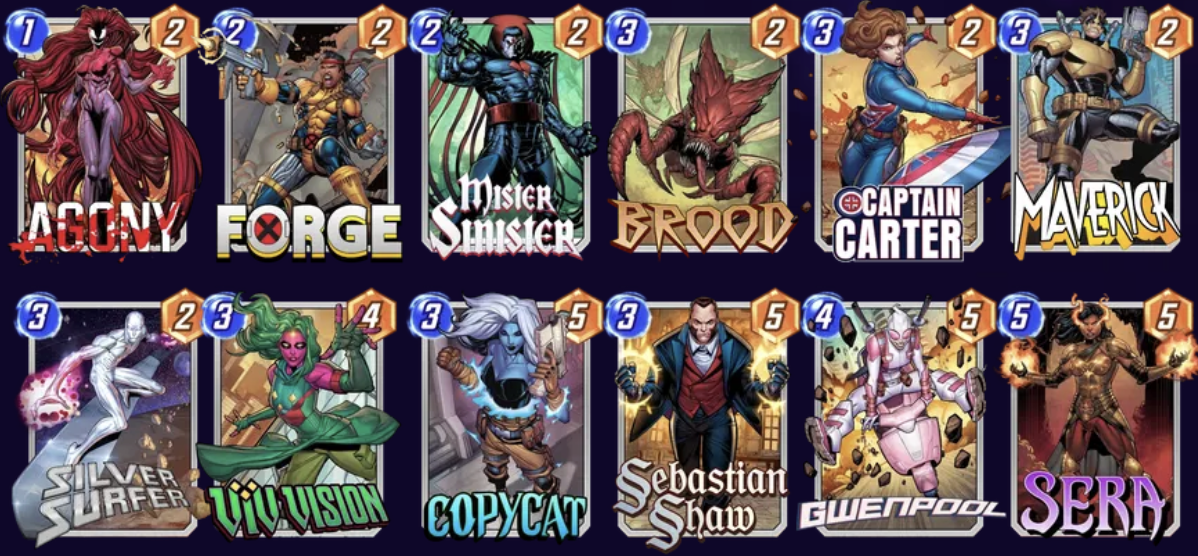
Missing any of the four Series 5 3-Cost cards in this list? Put in almost any other 3-Cost card! Choose your favorite! I’d choose Hope Summers or Phastos, but there are so many possible answers that will keep your deck close to this, if not quite identical, in performance.

Missing Series 5 card Black Swan from this trendy Techno-Organic Virus Cerebro list? Put in any other 2-Cost, 3-Power Card! Possibilities include Lockjaw, Armor, Daredevil, Jennifer Kale or Quake! You might miss a step without Black Swan's discounts, but the deck will play largely the same.
Level 3 Approach – Rare! 3D!
Consider the curve. Curve refers to how the costs of the cards in your deck are distributed. When building your deck you probably already, intuitively, try to create a deck with a good distribution of Energy costs. A deck with all 5 and 6-Cost cards would usually not be very good because you won’t have anything to play in the early turns. In general, it’s better to lower a deck’s curve than increase it, to give yourself more flexibility, options, and efficiency. High-Cost cards are have very powerful effects, but your cards are only powerful if you actually manage to play them out.
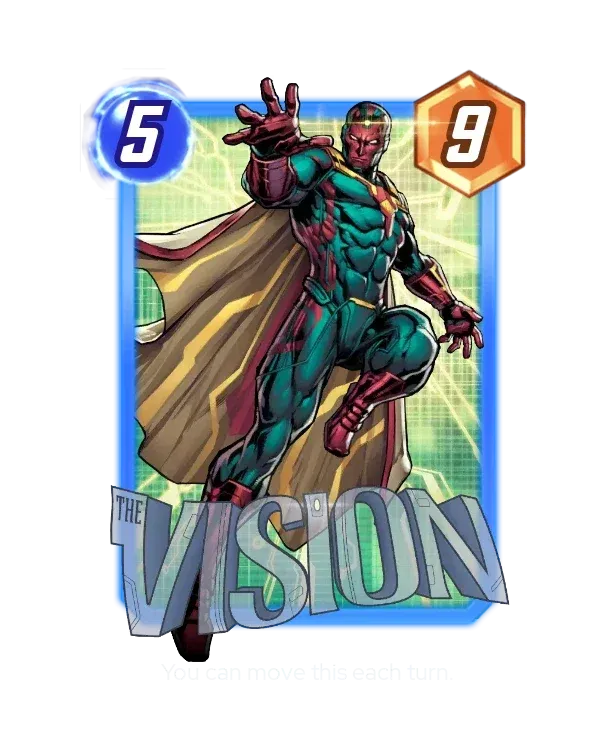
When trying to replace a card in a deck, the easy way to keep the curve as the deck creator intended is to just use a card of the same cost, as in the Level 2 approach above. But that limits your options. If you look at the deck and consider its curve you can expand those options. If you need to replace a 4-Cost card, you can lower that curve by using a 2 or 3-Cost card in that spot and you’ve made the deck more efficient, at least in theory. In contrast, if you replace a lower Cost card like Nightcrawler, for example, (a 1-Cost card) with Vision (a 5-Cost card), you’ve potentially disrupted the curve of your deck in a way that will make the deck function significantly worse.
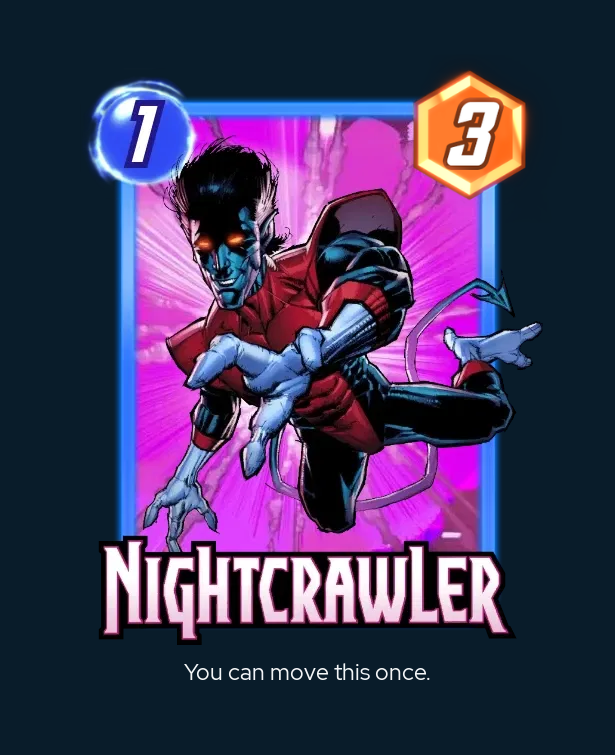
For an exploration of curve, let’s look at this standard Destroy list that sees quite a bit of play.
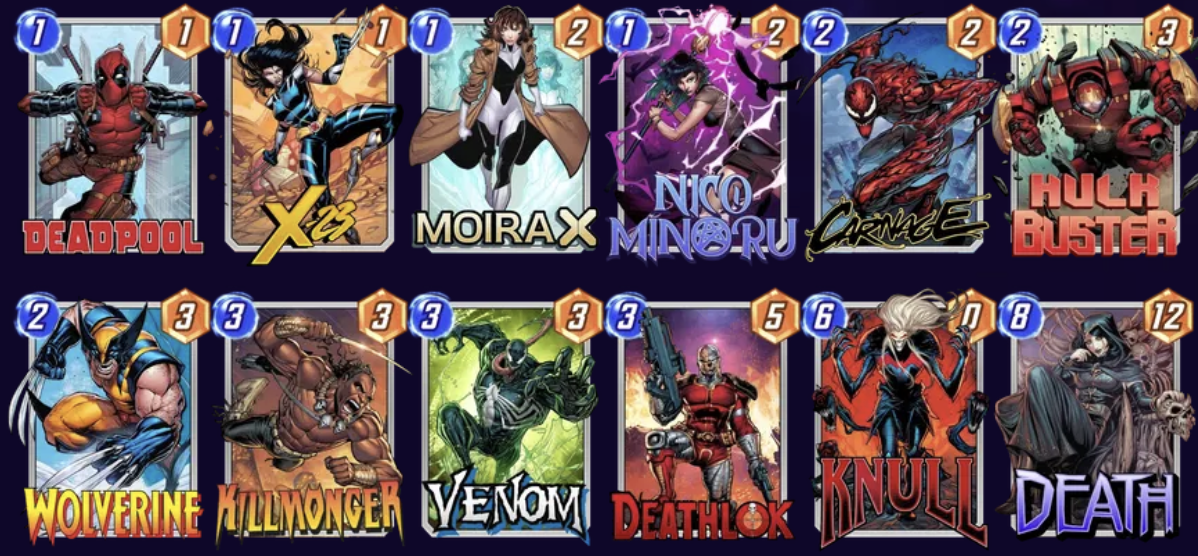
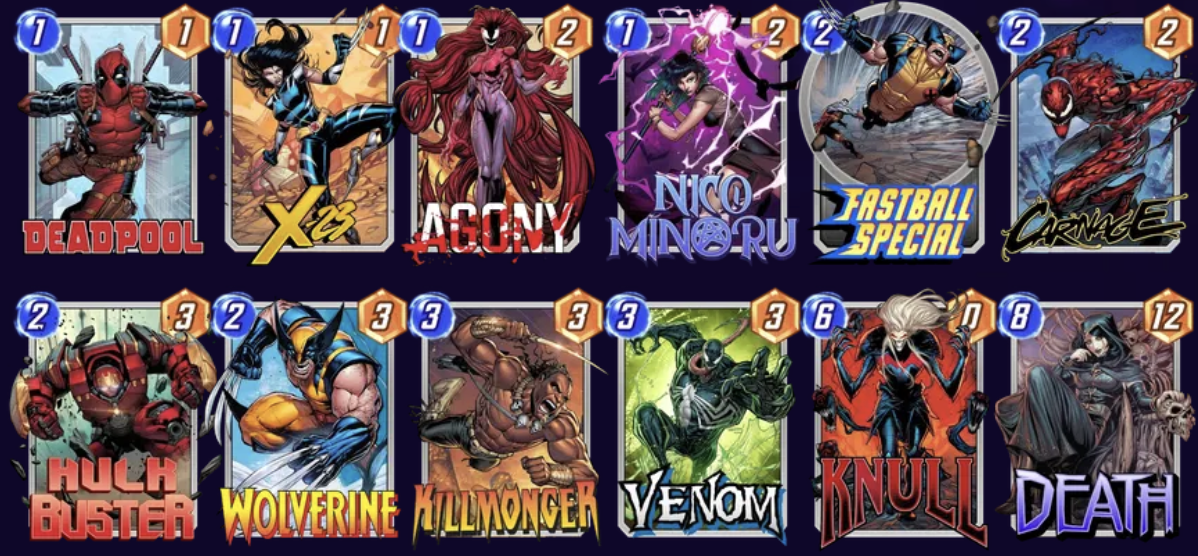
This deck has an average cost of 2.8 and 1 and 2-Cost cards make up the majority of the deck, while Death is only an 8-Cost in name as we're trying to discount her. At the higher end of the curve, there are fewer cards. This is because you have a limited amount of Energy to play cards with and a deck with too many high-Cost cards would be unplayable (which is why ‘ramp’ cards like Jennifer Kale and Electro help you ramp higher up into your curve).
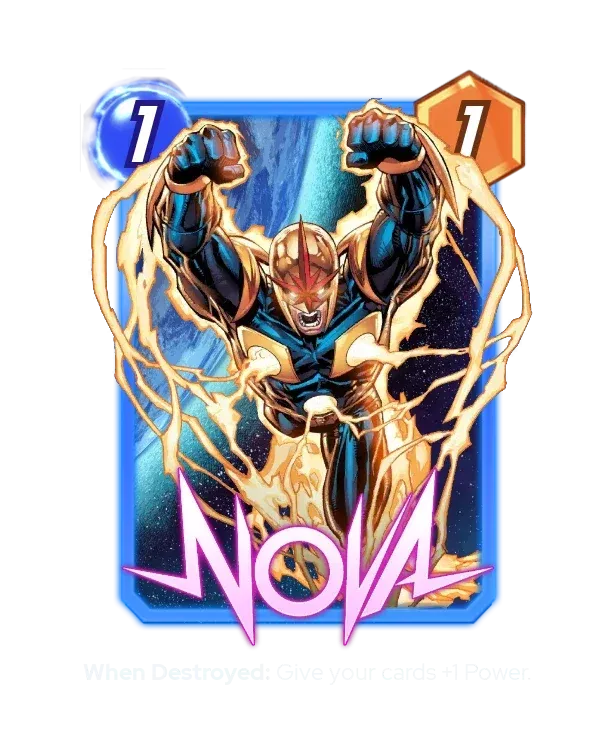
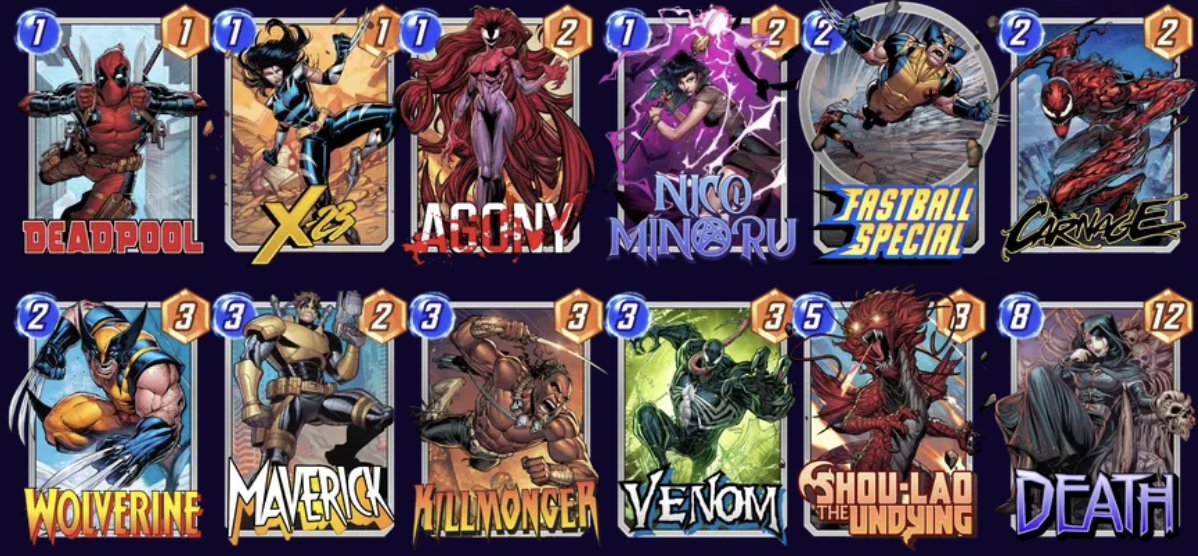
So let’s say you wanted to play this list but you don't have Moira X. If your first instinct is to throw in something like Arnim Zola, a card that undoubtedly has some synergy with other cards in this list, think about how it would affect the curve of the deck. If we’re replacing Moira, it’s probably a safer bet to slot in something with a similar cost to maintain the curve, and therefore smooth playability, of the deck. We could put in Headpool, Nova, or Uncle Ben.


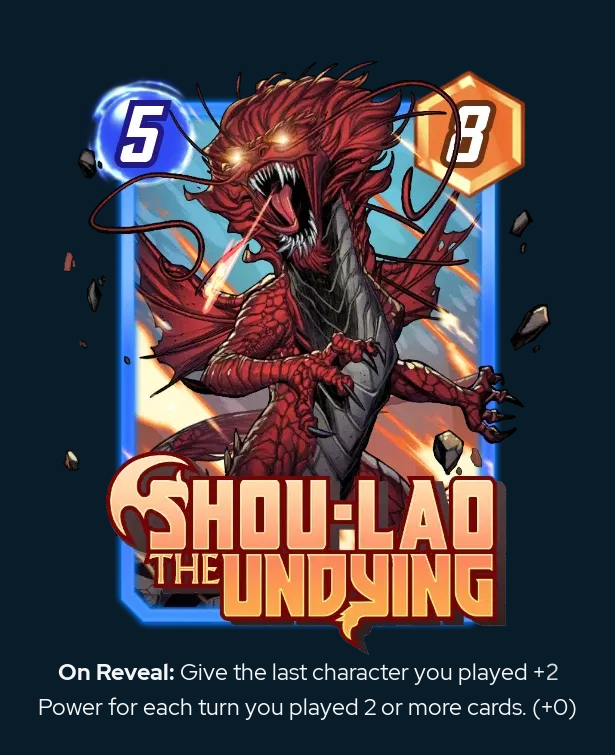
Now imagine we have Moira, but that you don’t yet have Knull in your collection. In this case Arnim Zola makes a bit more sense curve-wise. But you could also replace Knull with a lower cost card, lowering the curve of the deck (therefore increasing the potential to play each of the cards in the deck in a given game). We could still replace Knull with Headpool, whereas we wouldn’t probably replace Moira with Knull because of curve considerations. We can replace Knull with a much wider variety of cards than Moira. We could sub in Grandmaster or Fastball Special, for example, and get more of Destroy effects. Or we could put in Shou-Lao for Power. His Cost of 5 still makes sure our curve is being lowered rather than raised.


Hulkbuster is a solid way to get more power onto your Deadpool (or X-23 or Wolverine sometimes), but if you have Series 4 Card Agony, you can get a similar effect cheaper. If you don’t have Moira, you might end up with one of these deck lists after considering the curve of your deck.
Level 4 Approach – Epic! Animated!
Look at the function.
In other words, what is the card doing in the deck? Spider-Man moves an opponent’s card. Perhaps Polaris would be a good replacement, she does something similar. Maybe you can play Nightcrawler over of Hydra Bob in a list you find.


Think about what En Sabah Sur actually does in the deck you’re trying to play. Is it just to dig deeper into the deck? Jubilee or Iron Lad could be good replacements. Other times, though, En Sabah Nur is there to partially to remove the Hood or a low-Power from the board. In those instances, Jubilee is a poor replacement. So what would be good in the deck? Viper or Sersi can swap or transform a detrimental card, so you could try that. Or maybe, since you can’t go for the crazy high-roll with En Sabah Nur, replace it with a card that affects consistency, like Adam Warlock or Absorbing Man if you can't replicate the role he was fulfilling.
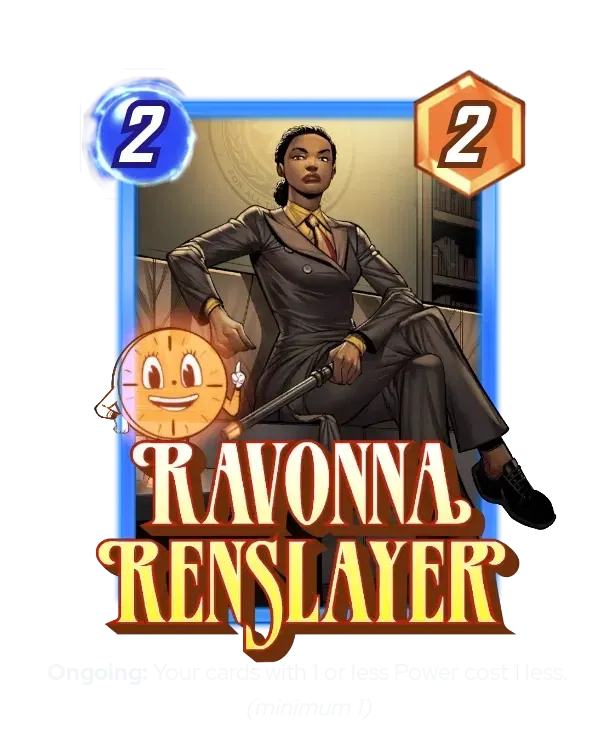


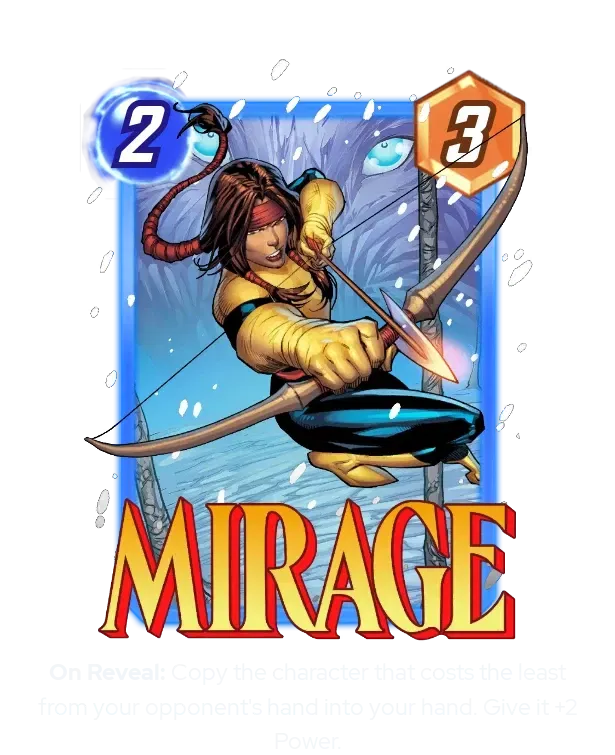
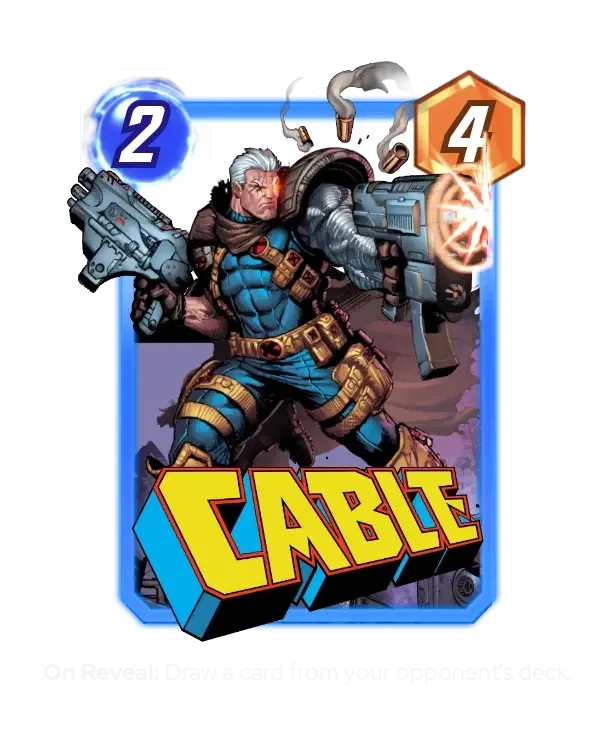
Replacing Ravonna with Psylocke is reasonable for a Mr. Negative deck. It’s a different way to ramp towards Turn 3 Mr. Negative. Replacing Ravonna with Psylocke in a deck that is trying to play Mystique and Mister Fantastic more cheaply won't help. What cards make a good replacement for Spider-Ham? Spider-Ham does two things: it disrupts your opponent, while also giving you information about their deck. There are quite a few cards that can fill a similar (but not exact) role including Iceman, Korg, Mirage, Cable, or Scorpion.




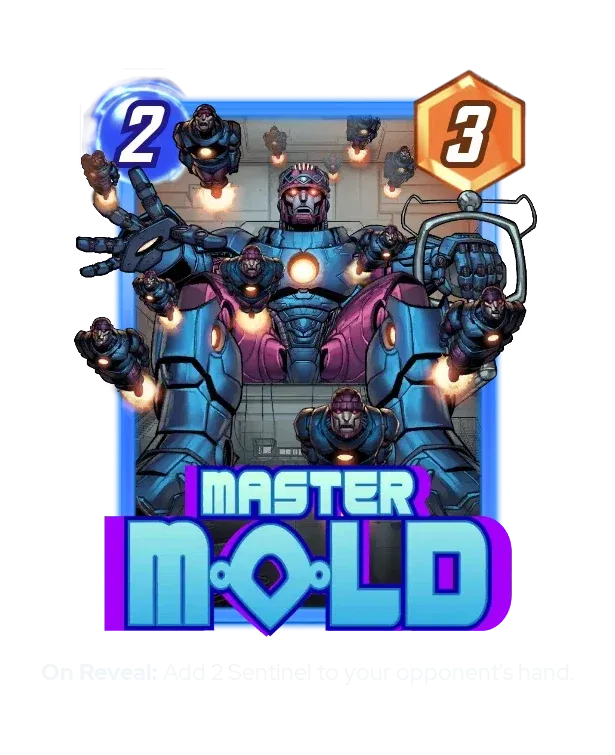
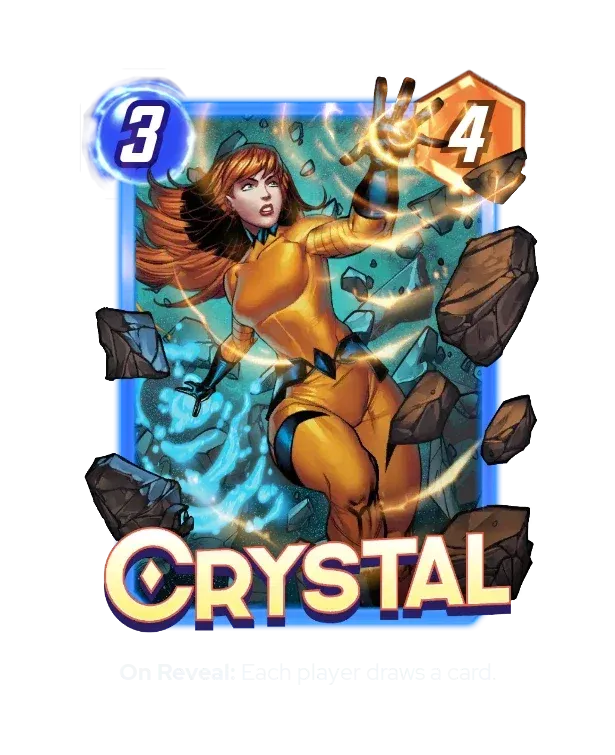
Master Mold is a niche card that you’re likely only going to find in a Ronan deck. Its function in the deck is pretty clear: it powers up your Ronan and can occasionally cost your opponent a draw. Baron Mordo and Crystal have vaguely similar functions to Master Mold, except with massive downsides.

Cobra is another example of a niche card. If you see someone playing a deck with him, they probably just like him and you can happily replace him. But think about his function first. He's there to threaten decks that create cards. You could try Gorgon or Elektra if you'd like to maintain some of Cobra's function, rather than just swapping in a random different 2-Cost card.



Level 5 Approach – Legendary! Shiny logo!
Think in terms of synergy.
Synergy is the way your deck works together. A common question of last season was “What can I replace Askani’son with?” Think about how he synergizes with other cards.
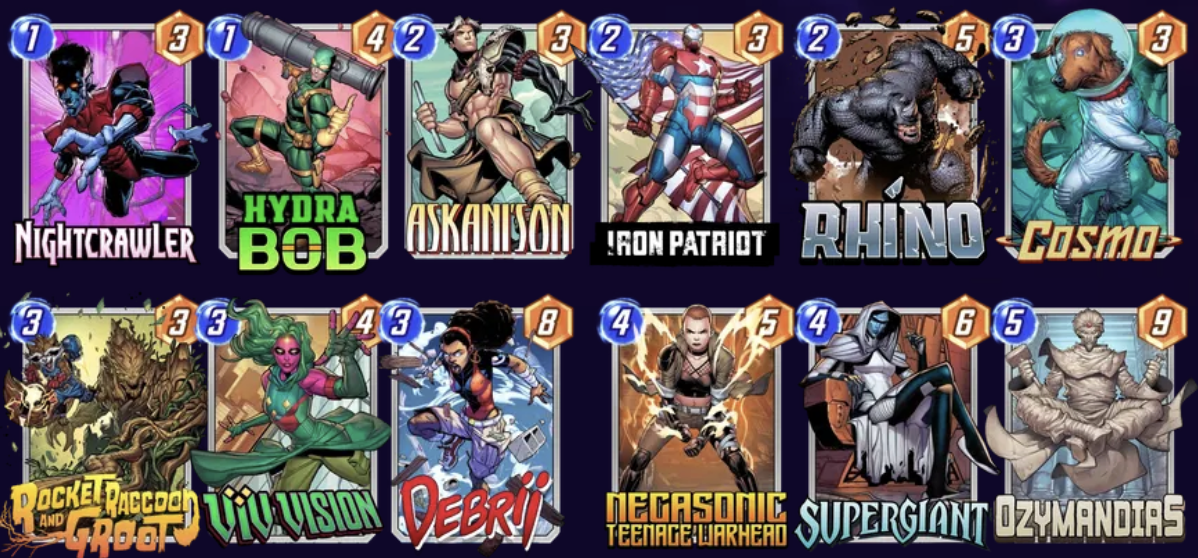
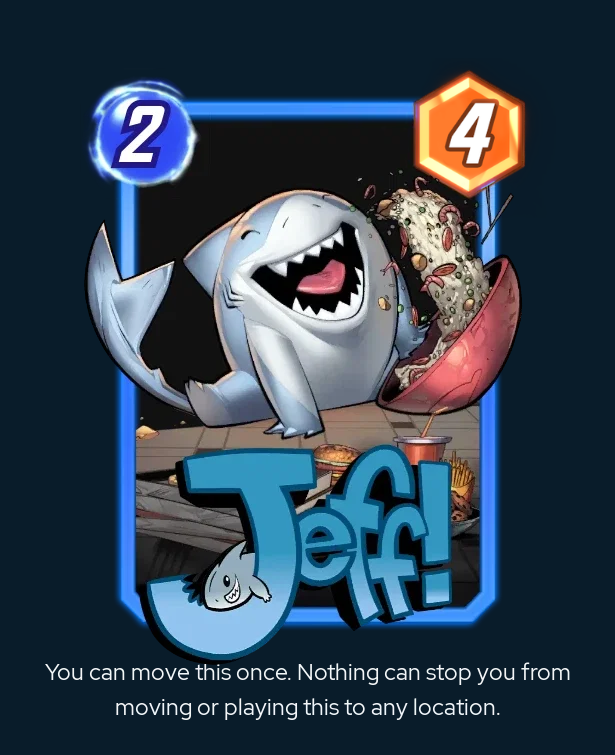
Askani’son is great in this deck since he rewards you for getting ahead and snatching priority, something the deck naturally wants to do already. But Sam Wilson or Jeff the Baby Landshark are 2-Cost cards that could work as replacements. You could put in Sandstorm to further lean into the synergy with Ozymandias. Gladiator can be used effectively in tandem with Cosmo or to get ahead fast to benefit Negasonic and Supergiant. Upcoming card Punisher War Machine may represent a solid upgrade to Askani'son in this list because of his synergy with the low-Cost movers. You could even put in Alioth since he is also a card that rewards getting priority and synergizes with Supergiant. Leaning into synergy is a great way to evaluate potential replacements.





The reason you may so often get the answer “there’s no good replacement for X card” is because you’re looking at a highly synergistic deck with a variety of interwoven interactions. But if you think in these terms, you actually can adapt a decklist you see and still have a quality, winning deck. Thinking in terms of little synergistic packages also works well. Maybe you can’t replace a single card, but you may be able to replace the whole 2-3 card package. Learn to identify packages and think in terms of synergies. Start thinking less about individual cards and start thinking about synergistic packages. Black Bolt/Stature, Cosmo/Juggernaut, Maverick/Shou-Lao, Korg/Rockslide/Darkhawk, and Mother Askani/Horseman Wolverine are some commonly used packages, but there are many more.
A current example of a great ‘package’ is the Valentina/Horseman Gambit package. It has retaken the meta by storm in the wake of the recent OTA, so get some games in with it before the next round of balance changes – it is that strong!
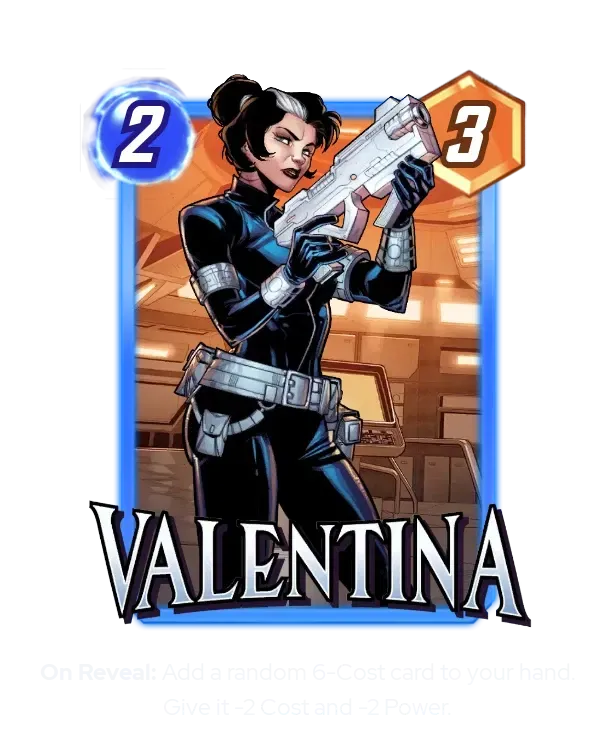

Its first home is in a Valentina deck:
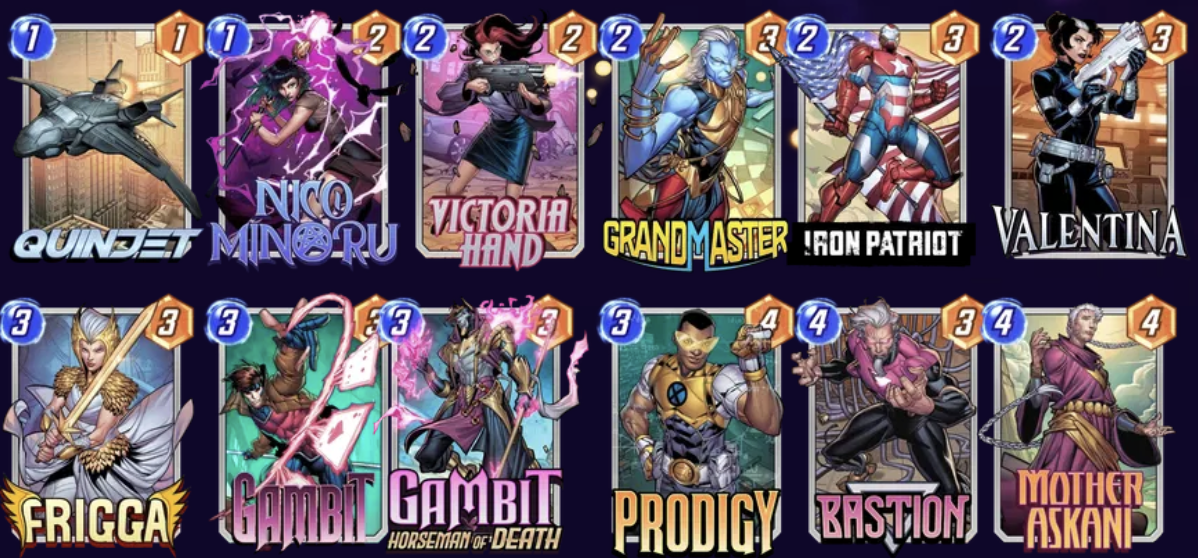
You can also plug it into a Thanos deck:
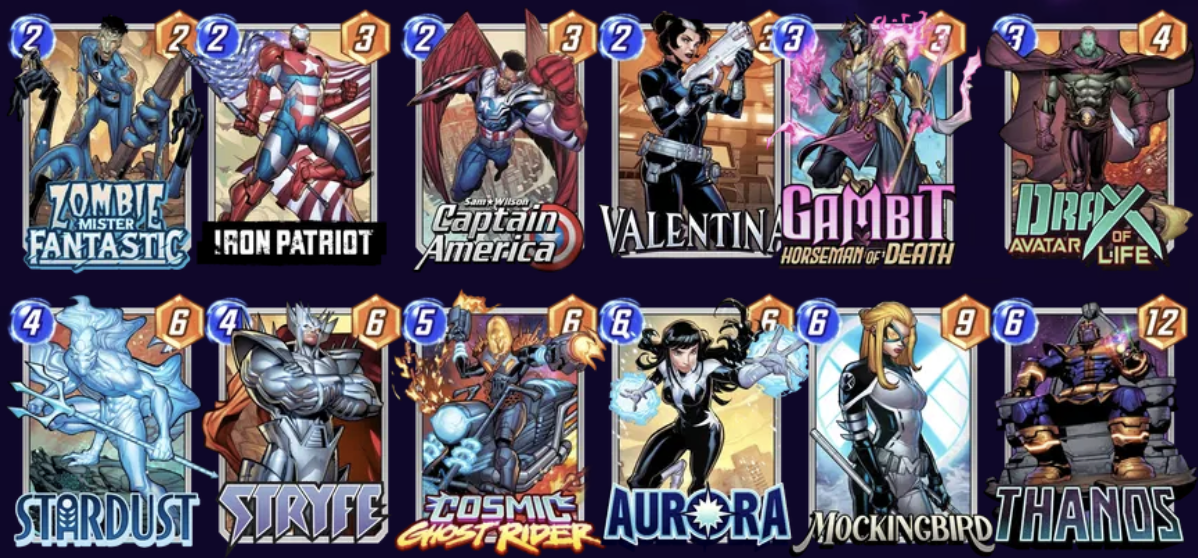
Or even a Wiccan deck:
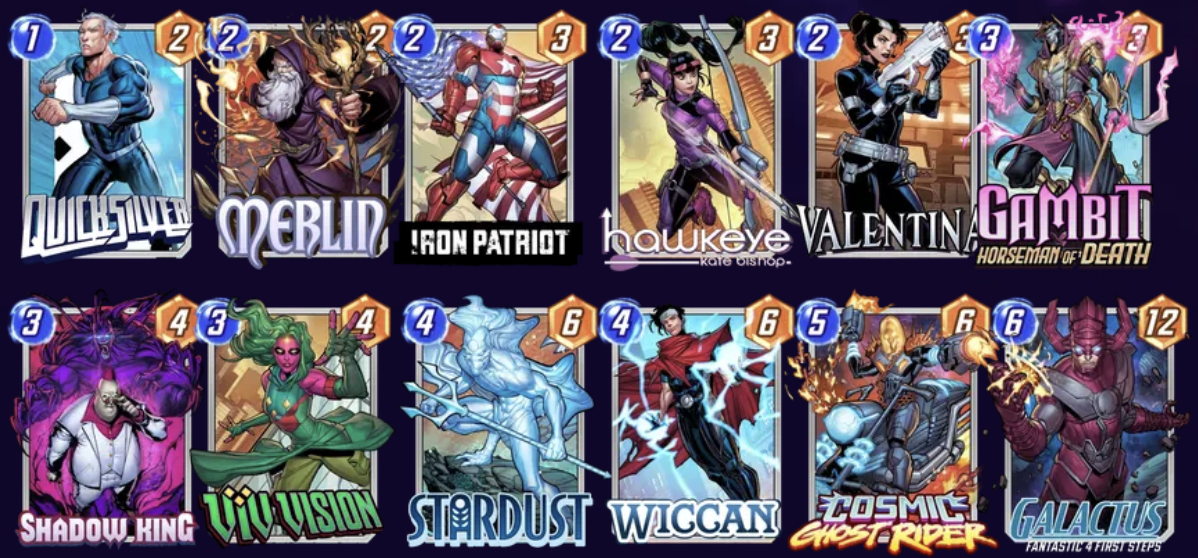
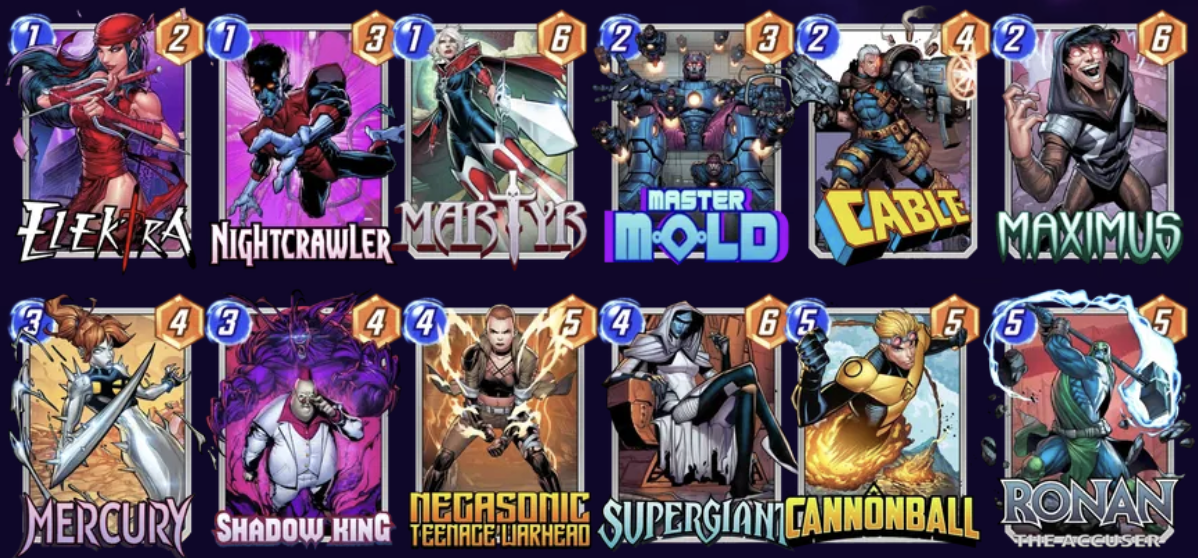
Just like other powerful packages before it, it can be plugged into a lot of other decks, and you should feel free to be creative with how you use packages like this. The mixing and matching of good, synergistic packages is often how the ‘next top meta decks’ end up being found. The combination of the Ronan package (Master Mold, Maximus, Ronan), a Supergiant package (Supergiant, Negasonic, Shadow King), and the Cannonball / Mercury package is a prime example of this. They may only have soft direct synergy, but they are strong together.
An example of a highly-synergistic deck is Discard.
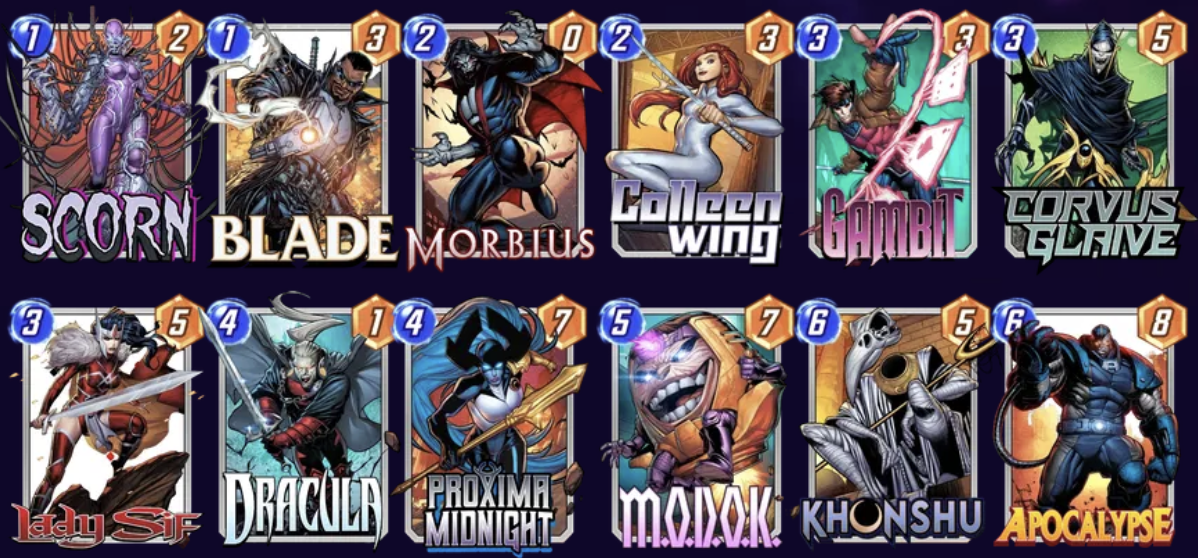
It's more difficult to replace cards in a deck like this because there is a relatively limited pool of cards with a discard effect and each one is unique.
It's not possible to swap cards like Lady Sif or Colleen Wing because they have no equivalents and the deck is playing them to do a specific job.
Proxima Midnight can be replaced with Marrow or your favorite 1-Cost card and Gambit is probably the most flexible spot and could be anything from Zombie Power Man to Moon Knight to Storm. But if you don’t have M.O.D.O.K. or Corvus Glaive you probably won’t be able to play a very strong version of this deck. This can actually help inform how to choose your free Series 3 cards and which Packs and Featured Sets you open. When you notice that a card is central to several decks that look like you’d enjoy, those are the cards to target for acquisition.
Another set of decks that are highly reliant on synergy are the various small movers decks.

Is Sam Wilson replaceable here? He is a reliable way to move Batroc, represents good Power for a 2-drop if played early enough, buffs Hydra Stomper, and can move the shield into the Prof X lane or wherever we need on Turn 6 to ensure we have the space to play our winning cards.
Is Hydra Bob replaceable here? He's great for getting Galactus First Steps rolling, helps get ahead to get max value out of Rocket & Groot and Viv, can slide into the Prof X lane on the last turn.
If you pull on more than one thread in this deck it tends to unravel. If you need to replace both Sam and Bob, you should probably just play a different deck. You could probably get by with Miles Morales or Spider-Man or some other synergistic mover for one of the two, but you'll lose effectiveness if you replace too many pieces. When the synergies in a deck are so highly interwoven the answer, sadly, is that some cards just aren't replaceable. You can't replace Scream in a Scream deck, Cerebro in a Cerebro deck, or Hela in a Hela deck. The key is identifying the level of synergy in a deck to decide for yourself if a card or set of cards is replaceable in the first place.
Level 6 Approach – Ultra! Animated Frame!
What problem is this card solving for this deck?
This can be a difficult level, but it’s really the most useful when trying to replace a card or even improve a deck list you see. Think, not just what a card’s function is in a given deck, but also what the card is actually doing for the deck. What problem is this card solving for this deck? What are this deck’s bad match-ups and how is this card helping to improve those match-ups? What kinds of locations does this deck struggle with? Is this card helping with those struggles? Is a given card the only way for this deck to reach into closed-off locations? Then that is the problem the card is solving for this deck and potentially why the card was included by whoever built the deck in the first place.
This approach requires a bit more experience. The more you keep up with the metagame (the game beyond the game, what people are playing, why cards are being played, and what decks and cards you’re likely to face), and are knowledgeable about the card base and locations in the game, the better you will get at this. Beyond mastering the Snap and Retreat mechanics, becoming more knowledgeable about the metagame is probably the most important thing you can do to improve in Snap.
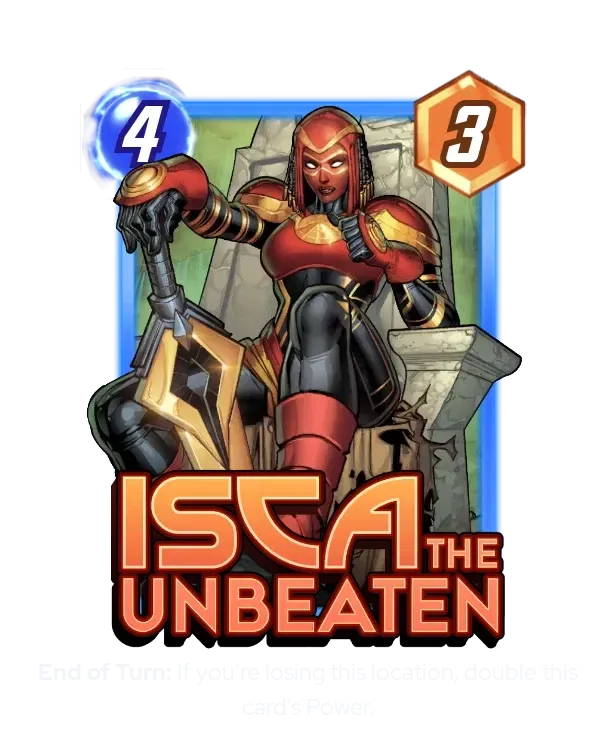
By thinking this way you will not only get better at replacing a card in a deck you see, you may even be able to improve a deck you find. Drax, Avatar of Life is a really great card. But honestly? He’s so good people are just throwing him into anything, even if he’s not actually changing anything for the better in the deck or taking advantage of existing synergy. The same goes for Isca, the Unbeaten!
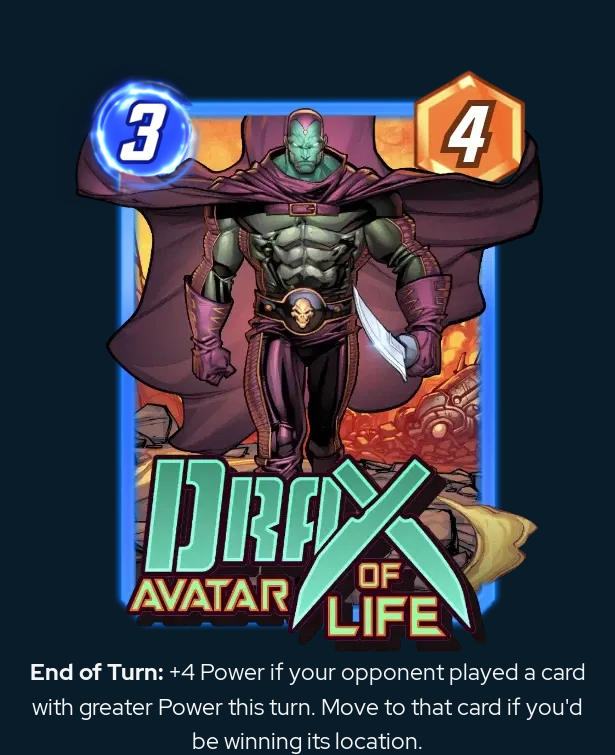
This line of thinking about what a card’s role in a deck is can be especially useful for swapping out the most newly released cards in the game (the ones the streamers already have but you don’t!). They are often cards that are put into a list to fix problems a previously existing deck had. They are also cards that are thrown into an already great list to see if they make it better. Some of the very best cards in the game are not synergistic with the rest of your deck, they exist to help that synergistic core or package shine! Examples of cards that occasionally just solve problems rather than simply synergize with a deck are Nightcrawler, Scarlet Witch, Cosmo, Magneto (hey, free cards you already have!), Surge, Merlin, Kate Bishop, Drax Avatar of Life, Stardust, Cosmic Ghost Rider, and so many more.
How did Supergiant come to be a meta-dominant force? Players identified the weaknesses of some of the top decks in the game from First Steps Invisible Woman End-of-Turn to Shou-Lao to the new Objective cards and looked at a card that could solve several of the most prevalent problems at once. What happens when Hela or Negative start wrecking a meta? People start playing Mobius M Mobius or Stardust as solutions. By looking at what tech cards are currently most effective or currently underplayed you can not simply respond to a given metagame, but find gaps in it that you can attack yourself.



As we saw above, it is important to identify the core synergies in a deck to decide if a card can even be replaced. Doom 2099 is a good example of a deck with few replaceable cards.
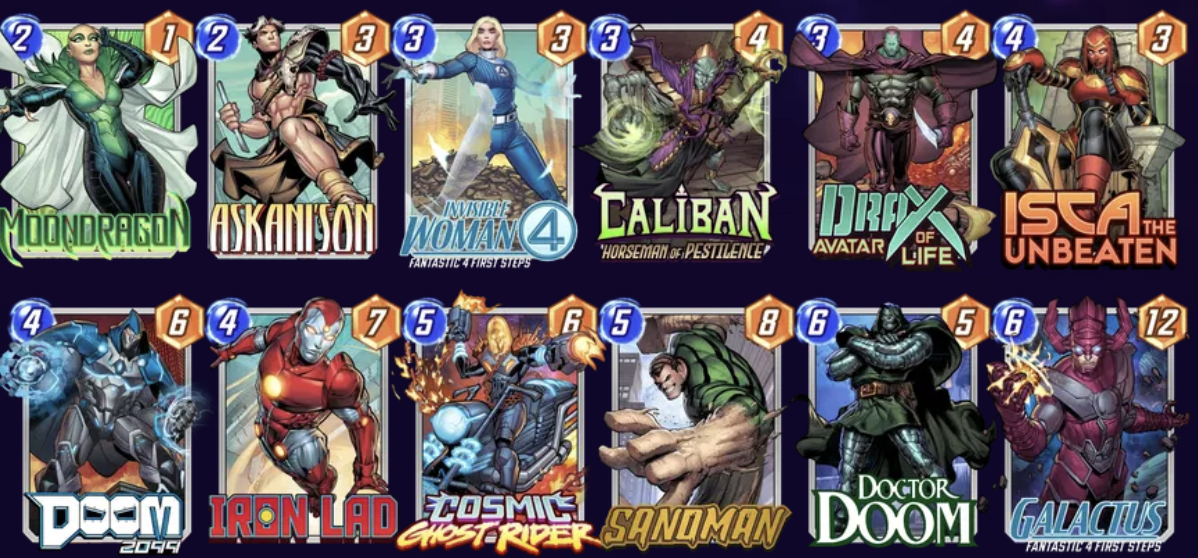
But let's look at Askani’son in this deck list. It's not part of the main ramp package. So why is he there? What is Askani’son actually doing for this build?
This is a deck that wants to get as much value out of its early cards as possible, while still having relatively few of them. It has a solid gameplan late, so the more efficient Power it can get onto the board with its lower-curve cards, the harder it will be for an opponent to compete on Power later. This version of the deck wants to get ahead early to grow First Steps Galactus as well. Because Askani’son has a similar hunger and cards like Drax are good at protecting a lead in a lane, there is some solid cross-synergy. What other cards could help us achieve this? Before the release of Askani’son the de facto inclusion in that spot was Chamber. Chamber lost a single point in a recent balance change, but he’ll still perform the task required: get efficient Power. Another card that used to see play here was Hydra Bob. He’s less good if you draw him late, but he’s excellent early Power – and he’s mobile to boot! Sam Wilson/Aurora has already surpassed Askani'son and FS Galactus in popularity as a way to spread wider and protect from certain tech cards. Moondragon, Askani’son, Chamber, and Hydra Bob, and Sam Wilson all serve a similar role in squeezing Power out of your early plays. Having problems against opposing Cosmic Ghost Riders? You could go a different route and protect your cards more instead. Cosmo is a solid option to slam the door on opposing tech cards. Facing a lot of Magik decks? Nocturne can give you location control. Think about what you’re facing, how you’re winning games with the deck and how you’re losing, and put in cards that help solve those problems.
Infinity!
Ok, so first try a card of the same cost and be willing to spend some time play testing. Also, consider the curve and try to keep the curve efficient. Think about what the card is doing in the deck and what it synergizes with. Think about what the card changes for the deck and what issues the card is solving.
Oh, and also definitely ask streamers and content creators what you can swap a card for! What?! Really?! Back to the beginning?
If you’re going to ask someone for a replacement (in addition to using the above methods) you’ll get better results with the following questions rather than spamming “Mother Askani replacement???” into chat:
- “Would X be a good replacement if I don’t have Y?”
- “What’s the reasoning behind X in this deck?”
- “What is X doing for this deck? Are there any other cards that could do that nearly as well or better?”
Replacing cards is not just something you need to do to play a new deck. It’s actually a skill that both feeds into and reflects your other skills in the game long-term, especially deck-building. Give these methods a try and I know you’ll feel more comfortable playing with the cards you have and building your own decks!
This article was featured in-game by Second Dinner during Steam’s Deck-builders Fest.